
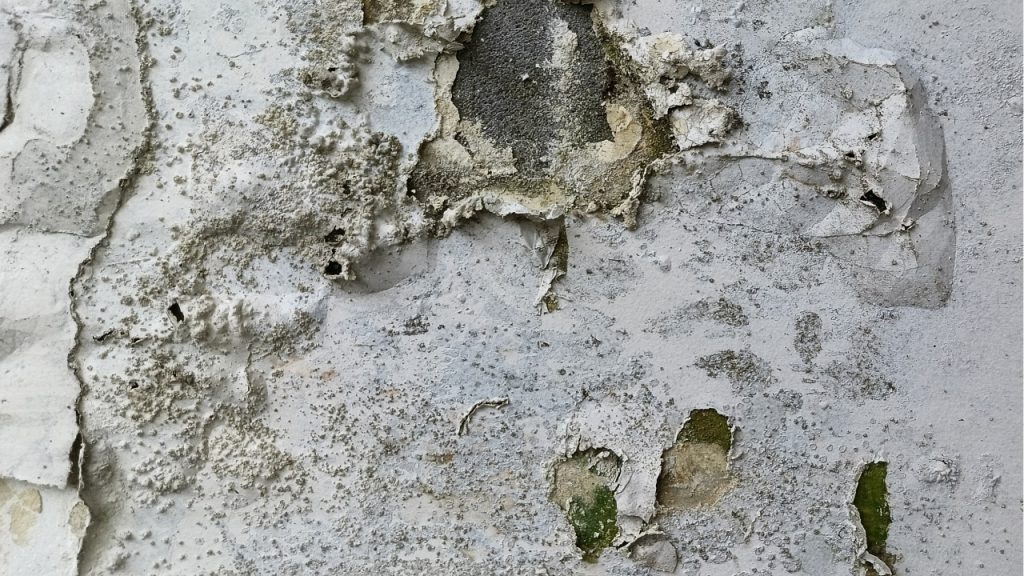
Lancaster, CA sits in the Antelope Valley with a high desert climate, and while it is known for dry, sunny days, that same environment creates surprisingly favorable conditions for mold growth when moisture arrives.
The Desert Climate Paradox
Lancaster’s weather swings between scorching summers and cool, sometimes wet winters. Homes built for dry conditions are rarely equipped to handle moisture intrusion. Stucco exteriors, slab-on-grade foundations, and minimal vapor barriers are common in the region, and none of them are designed to repel sustained moisture. When rain or humidity does arrive, water finds its way into wall cavities, under flooring, and into crawlspaces where it sits undisturbed.
Seasonal Rain and Water Intrusion
Winter and spring rainfall in the Antelope Valley is infrequent but intense. When it hits, the clay-heavy soil in the region cannot absorb water efficiently, so moisture pools around foundations and wicks into concrete slabs through capillary action. Wind-driven rain also forces water into hairline stucco cracks, worn window seals, and gaps in roof flashing, none of which are easily visible to homeowners. The California Department of Public Health notes that mold can begin colonizing damp materials within 24 to 48 hours of moisture exposure.
Temperature Swings and Condensation
Lancaster experiences significant day-to-night temperature differences, especially in spring and fall. These swings cause condensation to form on windows, interior walls, and pipes. That condensation, if left unchecked, creates a thin but persistent moisture layer that mold spores readily exploit. Temperatures between 60 and 80 degrees Fahrenheit, which are common in Lancaster’s transitional seasons, are ideal for rapid mold colonization.
Poor Ventilation Traps Moisture
Bathrooms, attics, and crawlspaces in Lancaster homes are frequent problem zones. Without adequate airflow, moisture from cooking, bathing, and even normal respiration accumulates indoors. HVAC systems that are not properly maintained can also harbor mold and circulate spores throughout a home.
Hidden Growth Is the Real Risk
Mold in Lancaster homes often develops out of sight, behind drywall, under carpets, and above ceiling tiles. A persistent musty odor is frequently the first sign that a problem already exists. Given the speed at which mold spreads, addressing any water intrusion or moisture buildup immediately after a rain event is the most effective way to prevent long-term damage.